With Arctic ice melting, seas rising, storms intensifying, forests burning, and drought exacerbating hunger, there is no doubt that climate change is causing enormous devastation in all parts of the globe. Climate change is primarily caused by the release of greenhouse gases (i.e., carbon dioxide, methane, ozone, etc.) into the Earth’s atmosphere. When these gases accumulate , they produce a warming effect. Some greenhouse gas emissions occur naturally, but the majority are caused by the burning of fossil fuels, such as oil, gas, and coal.
What is the Paris Agreement?
The United Nations Framework Convention on Climate Change (UNFCC) is an international environmental treaty with the objective to achieve the
“stabilization of greenhouse gas concentrations in the atmosphere at a level that would prevent dangerous anthropogenic interference with the climate system. Such a level should be achieved within a time-frame sufficient to allow ecosystems to adapt naturally to climate change, to ensure that food production is not threatened and to enable economic development to proceed in a sustainable manner”
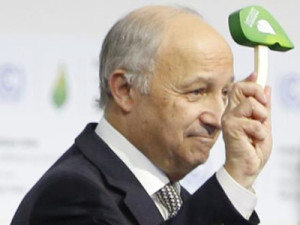
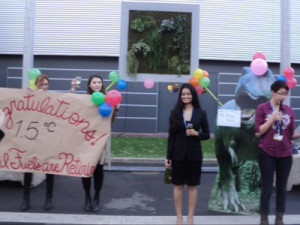
Each year, the UNFCCC holds a Conference of the Parties (or COP) to assess and encourage progress on greenhouse gas emission targets by countries, and to address the social, health, and environmental impacts of climate change around the world. At COP21 in Paris in 2015, Canada and 193 other nations endorsed the goal of “holding the increase in global temperatures to well below 2°C above pre-industrial levels [while pursuing] efforts to limit the temperature increase to 1.5°C.” This goal has since been called the Paris Agreement. While there are no legally binding measures national governments to meet specific targets on a specific timeline, the Paris Agreement creates transparency through an obligation to report on national progress. This transparency in turn creates global pressure incentives for governments to keep improving their policies to meet both national and global goals.
To meet its commitments under the Paris Agreement, Canada plans to reduce greenhouse gas emissions through the Pan-Canadian Framework on Clean Growth and Climate Change (PCF).
What is the IPCC report?
The Intergovernmental Panel on Climate Change (IPCC) is a UN body created to assess science related to climate change and to create reports and policy recommendations accordingly. In October 2018, the IPCC released the Special Report on Global Warming of 1.5°C. (SR15).
This report concluded that a 2°C temperature increase would have drastic impacts on the environment. The 1.5°C goal of the Paris Agreement would be possible with emissions reductions, but the report highlighted the importance of meeting these goals by 2030 to avoid permanent and catastrophic environmental damage.
This report was published shortly before COP24 in December 2018. Read the reflections on this meeting.
Learn More
KAIROS Canada contributes to Canadian policy change in areas such as strong, effective greenhouse gas emission targets, ending all subsidies to the oil, gas and coal sector, placing a price on carbon, and creating a just transition strategy for a clean energy economy in Canada.
Since 2009, as part of our commitment to climate justice, KAIROS has called for no further approvals of tar sands projects in Canada, including pipelines to export bitumen and liquefied natural gas. See KAIROS’ Tar Sands Policy.
1. Read KAIROS Briefing Papers on Climate Justice and the Just Transition to a Low-Carbon Economy
2. Learn more about the issues in KAIROS’ Policy Fact Sheets:
3. Read KAIROS’ New Economy Trailblazers series– an online showcase of individuals and organizations who are leading the way to a clean energy future.
Take Action
1. Learn more about the Pan-Canadian Framework on Clean Growth and Climate Change and its policies, including carbon pricing.
2. Write to or meet with your Member of Parliament and call for
- An accelerated phase-out of the remaining federal fossil fuel subsidies for oil and gas;
- A moratorium on new fossil fuel development projects, including fracking and pipelines for exporting bitumen and liquefied natural gas (LNG); and
- Robust implementation of the Pan-Canadian Framework on Clean Growth and Climate Change, with committed resources
A personalized letter can be an effective tool for change, and your MP will take notice when you relate the issue to how it affects their constituency. Ideas to help craft a personal letter are available under Resources, below. You can find your MP’s e-mail or postal address by entering your postal code on the Parliament of Canada website.
3. Write a letter to the editor and contribute to the national conversation on climate change.
4. Share what you are up to (no action is too small!). It’s vital to us that we hear what’s happening. E-mail Cheryl McNamara: cmcnamara@kairoscanada.org or let us know on Twitter (@kairoscanada)